Concept Note
Prepared by: Wadee Binjabi – Founder, Binjabiart.com
In collaboration with: Artist Amir Shayesteh Tabar and Happy Lisbon Organization
1. Vision
In the evolving landscape of global finance and digital transformation, art is no longer confined to galleries or museums. It is emerging as a new class of asset — a bridge between cultural value and financial capital.
This vision seeks to establish a framework where artistic masterpieces, particularly those rooted in Saudi creativity and international collaboration, become recognizable financial assets — valued, tokenized, and integrated within the institutional economy.
2. Background
Binjabiart.com and Amir Shayesteh Tabar share a vision that merges art, technology, and human consciousness.
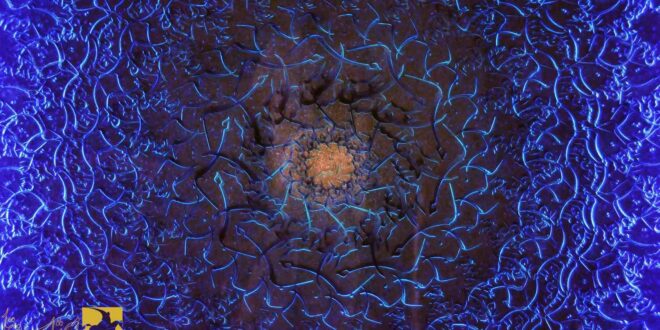
Tabar’s Blue Symphony — the culmination of over 35 years of artistic and spiritual exploration — exemplifies the concept of art as living knowledge, a synthesis of philosophy, emotion, and digital innovation.
Through blockchain and tokenization, such works can transcend traditional art markets to become bankable cultural assets, establishing a new paradigm for the creative economy in Saudi Arabia and beyond.
3. Strategic Relevance
- For Saudi Vision 2030:
Aligns with national goals of cultural innovation, digital economy development, and the growth of creative industries. - For Financial Institutions (e.g., Banks, Aramco, Investment Funds):
Positions art as a symbolic and measurable store of value, reflecting both corporate identity and social responsibility. - For Universities and Research Institutions:
Creates opportunities for interdisciplinary collaboration in blockchain, art valuation, and intellectual property.
4. Conceptual Framework
Art as Financial Asset operates on three interlinked pillars:
- Tokenization and Authentication:
Each artwork is digitally registered through blockchain technology, ensuring transparency, authenticity, and immutable provenance. - Valuation and Certification:
Independent valuation frameworks (integrating art history, data analysis, and market benchmarking) define the monetary and symbolic worth of the work. - Institutional Integration:
Tokenized artworks can be held by banks, cultural funds, or corporations as intangible assets, collateral instruments, or ESG-aligned investments.
5. Implementation Pathway
- Pilot Collaboration:
The Blue Symphony as a flagship case study — combining visual, musical, and digital layers into a certified cultural asset. - Academic Partnership:
A joint research program between Happy Lisbon, Umm Al-Qura University, and King Abdulaziz University exploring art tokenization and assetization models. - Industry Engagement:
Outreach to key Saudi institutions (e.g., Aramco, banks, cultural foundations) for partnership and co-investment. - White Paper Development:
Formal documentation outlining the methodology, governance, and financial models behind Art as Asset in the Saudi context.
6. Expected Outcomes
- Creation of a new asset category merging artistic and economic value.
- Establishment of a Saudi-European research network in digital art and blockchain.
- Strengthening of Saudi Arabia’s cultural diplomacy and soft power.
- Development of sustainable models for art-based financial instruments.
7. Closing Note
As Amir Shayesteh Tabar stated, “My art is the distilled essence of my soul and knowledge over 35 years.”
By transforming such profound creations into measurable, enduring assets, Binjabiart.com aims to open a new frontier — where spiritual heritage meets financial innovation, and art becomes a store of value for the future.