
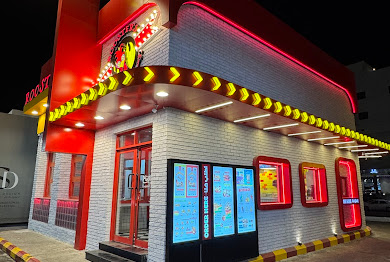
By: The Roasters Empowerment Initiative Team
In recent years, the Franchise sector has witnessed exponential growth. However, this expansion has often been marred by practices that raise ethical concerns. We have seen models that expand at the expense of young entrepreneurs’ ambitions—where the “dream of wealth” turns into a “burden of debt,” and the franchisee becomes a mere tool to inflate the brand’s market value without real protection for their interests.
At Roasters, driven by our national and social responsibility, we believe that a “Franchise” should be an economic elevator, not a financial trap. Therefore, we officially announce our “Ethical Charter” for the Women’s Empowerment Initiative, based on 5 core pillars that break traditional, predatory industry norms:
1. We Fund, We Share the Risk
Unlike models that push beneficiaries toward high-interest bank loans or heavy personal liabilities, Roasters provides a “Hassan” (Interest-Free) Loan of SAR 800,000 (covering 70% of total costs). We are putting our capital in the same boat as the NGO and the beneficiary; our success is strictly tied to theirs.
2. Profit-Sharing, Not Revenue-Siphoning
Many brands charge royalties based on Gross Sales, meaning the brand owner profits even if the branch is losing money. Under our charter, Roasters will only collect its percentage from Net Profits—after all operating expenses and beneficiary salaries are covered. We are partners in prosperity and resilience alike.
3. Ownership, Not Just Operation (The LLC DAO Model)
We are not looking for employees with the title of “business owners”; we aim for true ownership. By utilizing Decentralized Governance (DAO) and Impact Tokens (sNFTs), our charter grants beneficiaries the right to convert their labor and volunteer hours into real equity over time. The ultimate goal is for the branch to become the sole property of the beneficiary or the NGO.
4. Supply Chain Fairness (Transparency)
Supplying raw materials from Roasters will never be a hidden profit center. Our charter commits to providing materials at competitive/cost prices to ensure the beneficiary maintains the highest possible profit margin. We maintain full transparency in invoicing because our goal is the branch’s sustainability, not its exhaustion.
5. Strict Geographic Protection
We reject the “flooding” policy followed by some brands that open nearby branches that cannibalize each other. Our charter pledges to grant every branch a protected geographic zone, ensuring they capture their local market without competition from the parent brand, securing the growth and stability of the beneficiaries’ sales.
Conclusion
The “Roasters Initiative” is more than just a restaurant project; it is a call to reform the concept of social investment in the Kingdom. We invite NGOs and donor organizations to join us in implementing this charter—to prove that true profit is the impact we leave on families’ lives, and that a strong brand is one that grows with its partners, not at their expense.